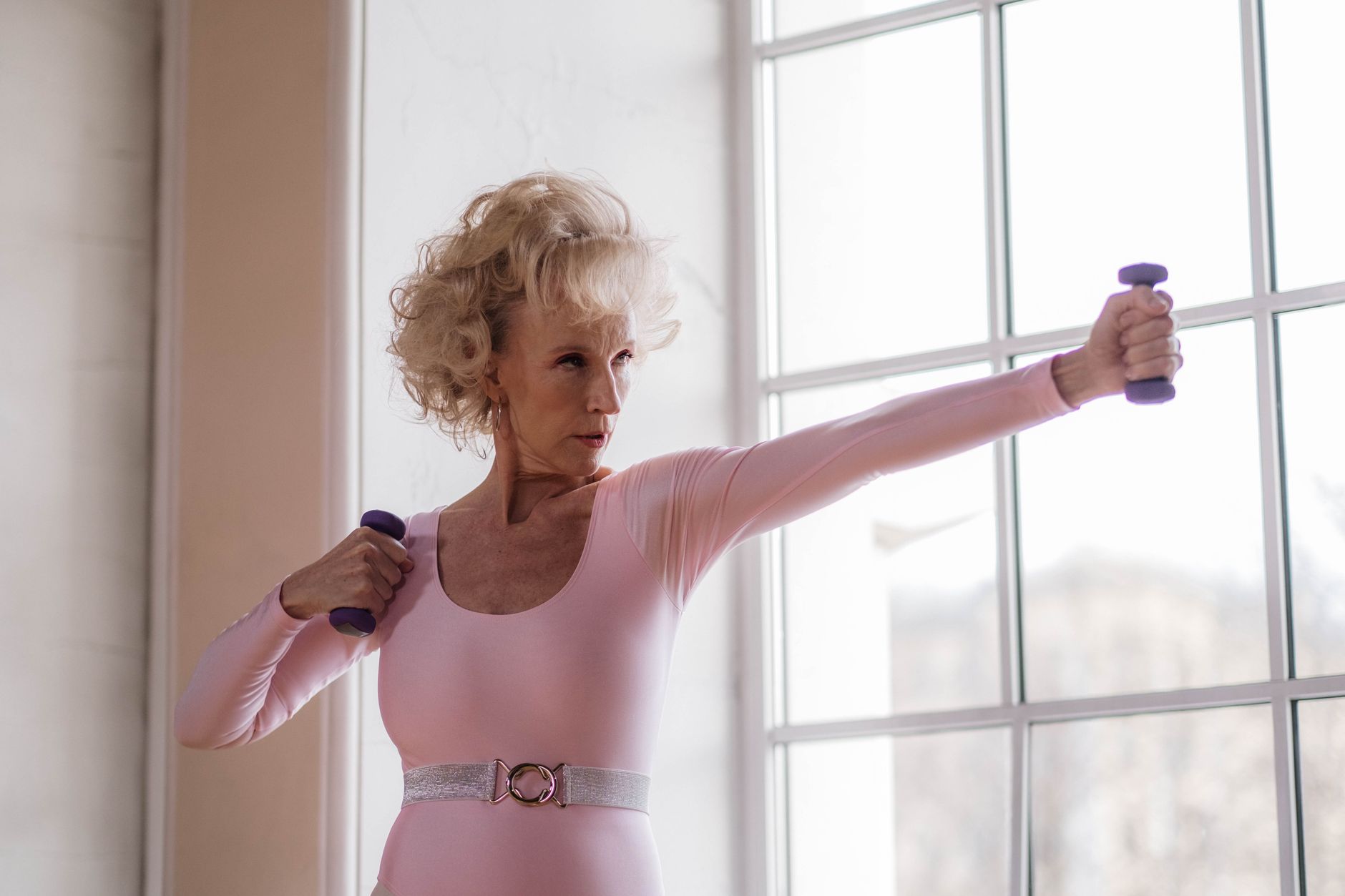
Exercise for women with osteoporosis: what is safe
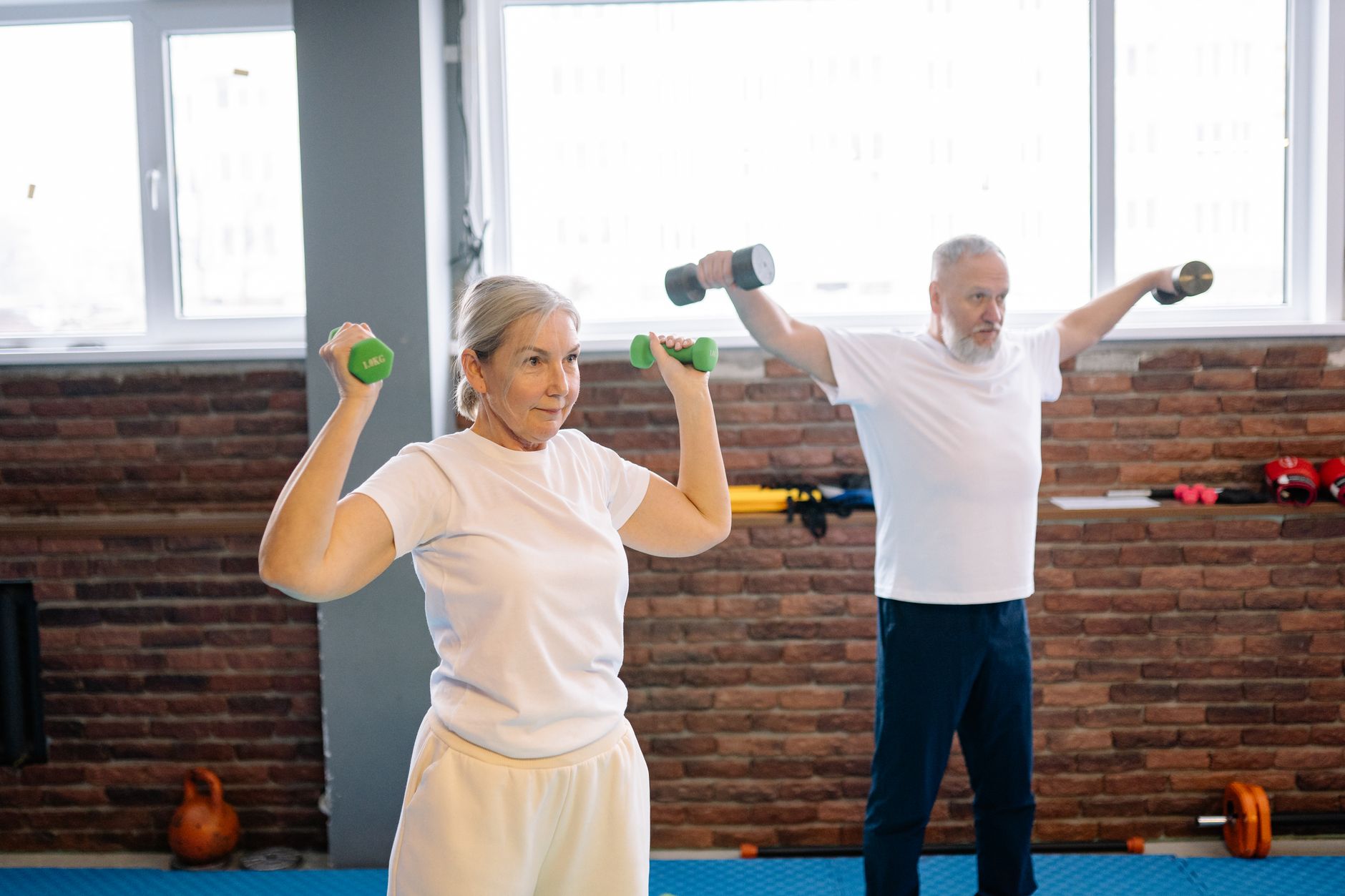
Which exercise is safe with osteoporosis or osteopenia after menopause: strength, weight-bearing and balance work, the moves to adapt, and when to see a physio first.
Every guide we have published, newest first, each with its sources linked in the text.
Which exercise is safe with osteoporosis or osteopenia after menopause: strength, weight-bearing and balance work, the moves to adapt, and when to see a physio first.
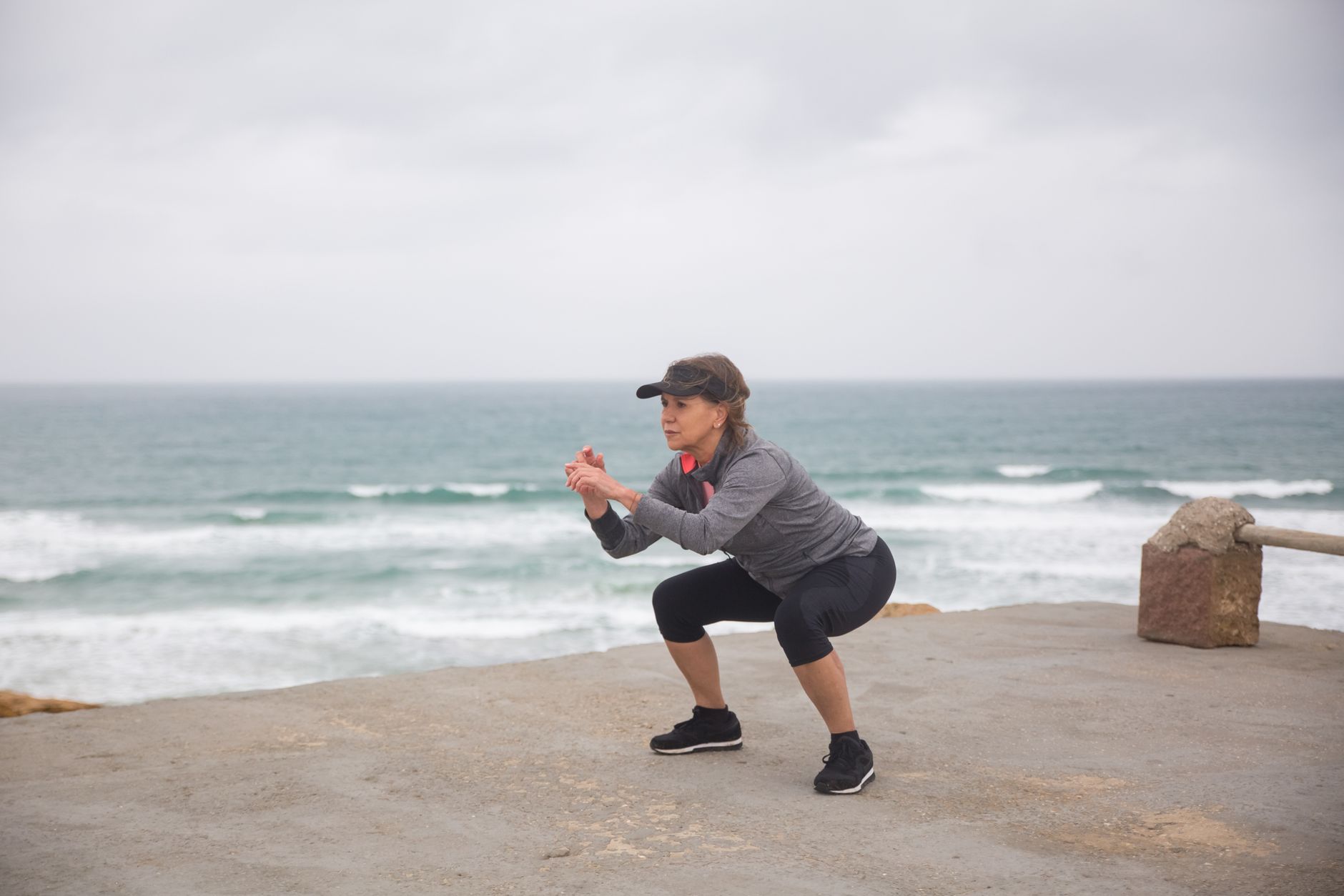
A full-body bodyweight session for women over 50, built from the NHS strength and balance routines, with how often to do it and how to make it harder without weights.
Menopause speeds up fat gain and muscle loss more than it raises the number on the scale. What a long-term NIH study found, how long it lasts, and why strength matters.
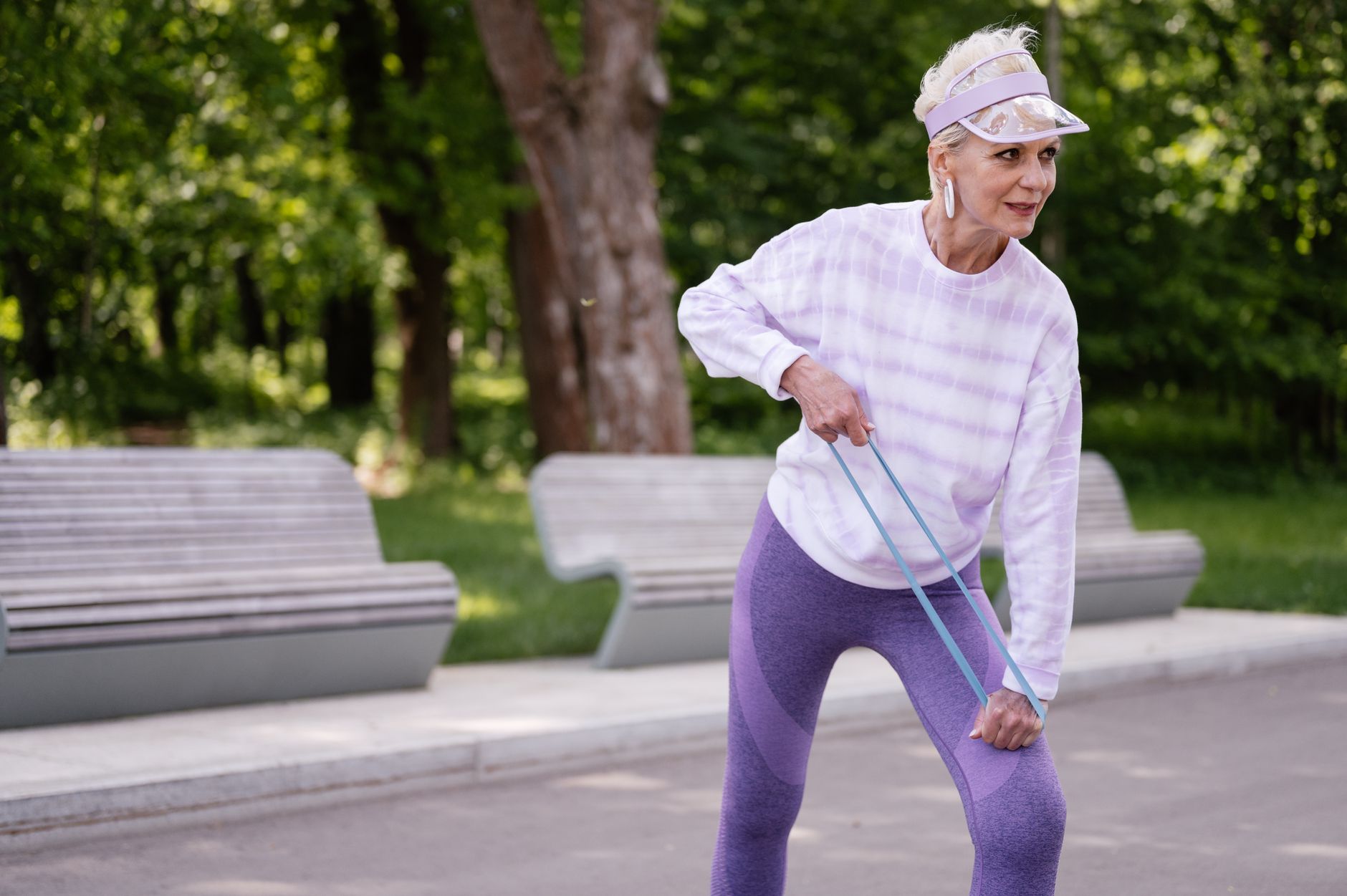
Lift on two or three days a week, walk for 150 minutes, and eat regular meals with protein. What the trials show about stopping menopause weight gain, and how to start.
How much protein women need after menopause to keep muscle, what the research behind 0.8 and 1.0 to 1.2 g per kg says, and how to spread it across meals and workouts.
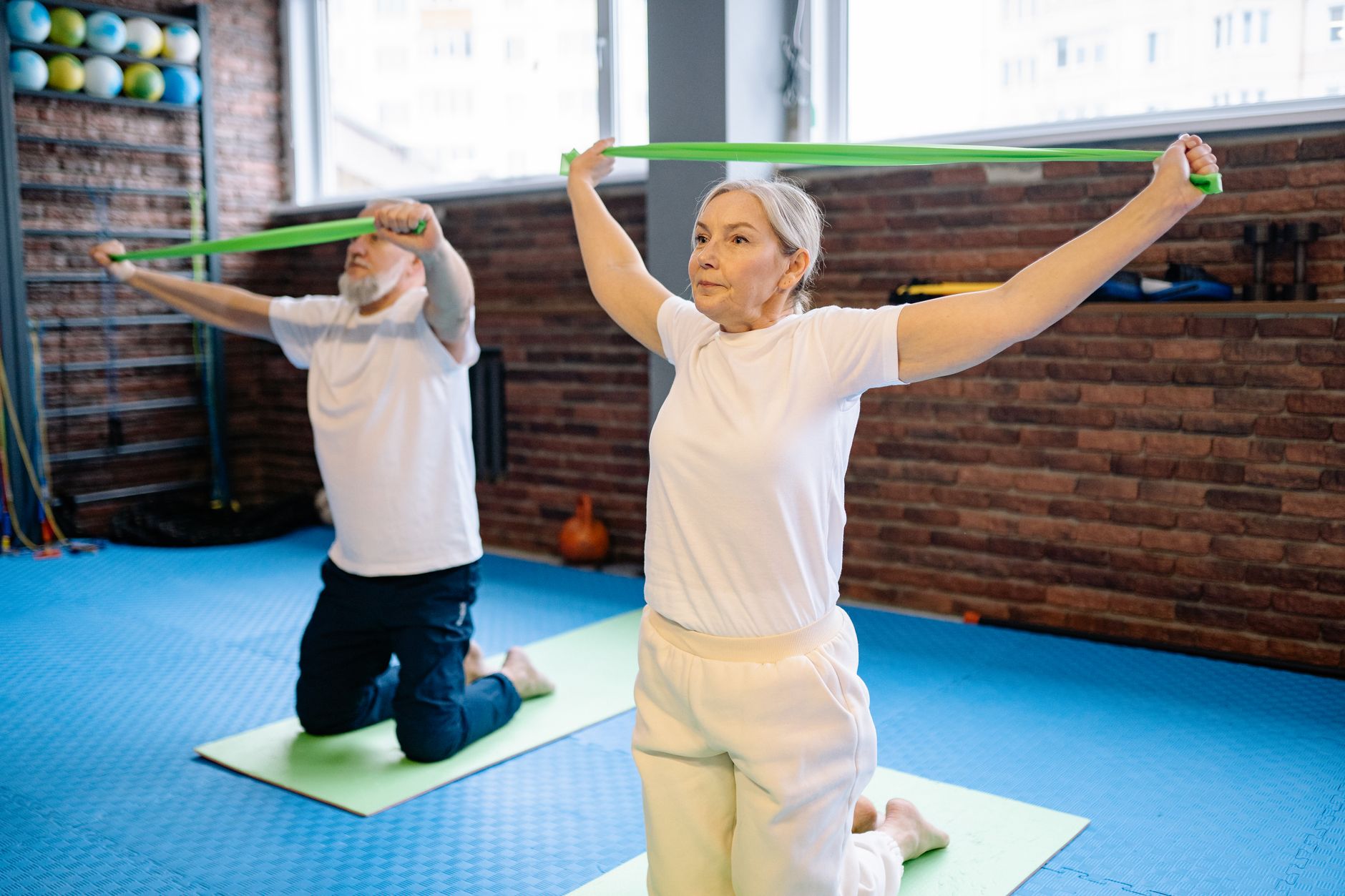
How often to lift, which muscles to work and a first-month plan you can follow at home, based on NHS and NIH guidance for women in perimenopause and menopause.
Pick your starting level and how many days a week you can train, and get a week-by-week home plan built on the NHS strength routine, ready to print.
Every article is filed under one or more of these subjects. Open a topic to see its guides together with the questions readers ask about it.
The chips above open each topic page, which gathers its own guides and the questions readers ask about it. If you are starting from nothing, how to start strength training is the guide most of the others build on, and the 4-week strength plan turns it into a printable month for your starting level. Our editorial policy sets out how we choose sources and correct mistakes.