Exercise for women with osteoporosis: what is safe
Which exercise is safe with osteoporosis or osteopenia after menopause: strength, weight-bearing and balance work, the moves to adapt, and when to see a physio first.
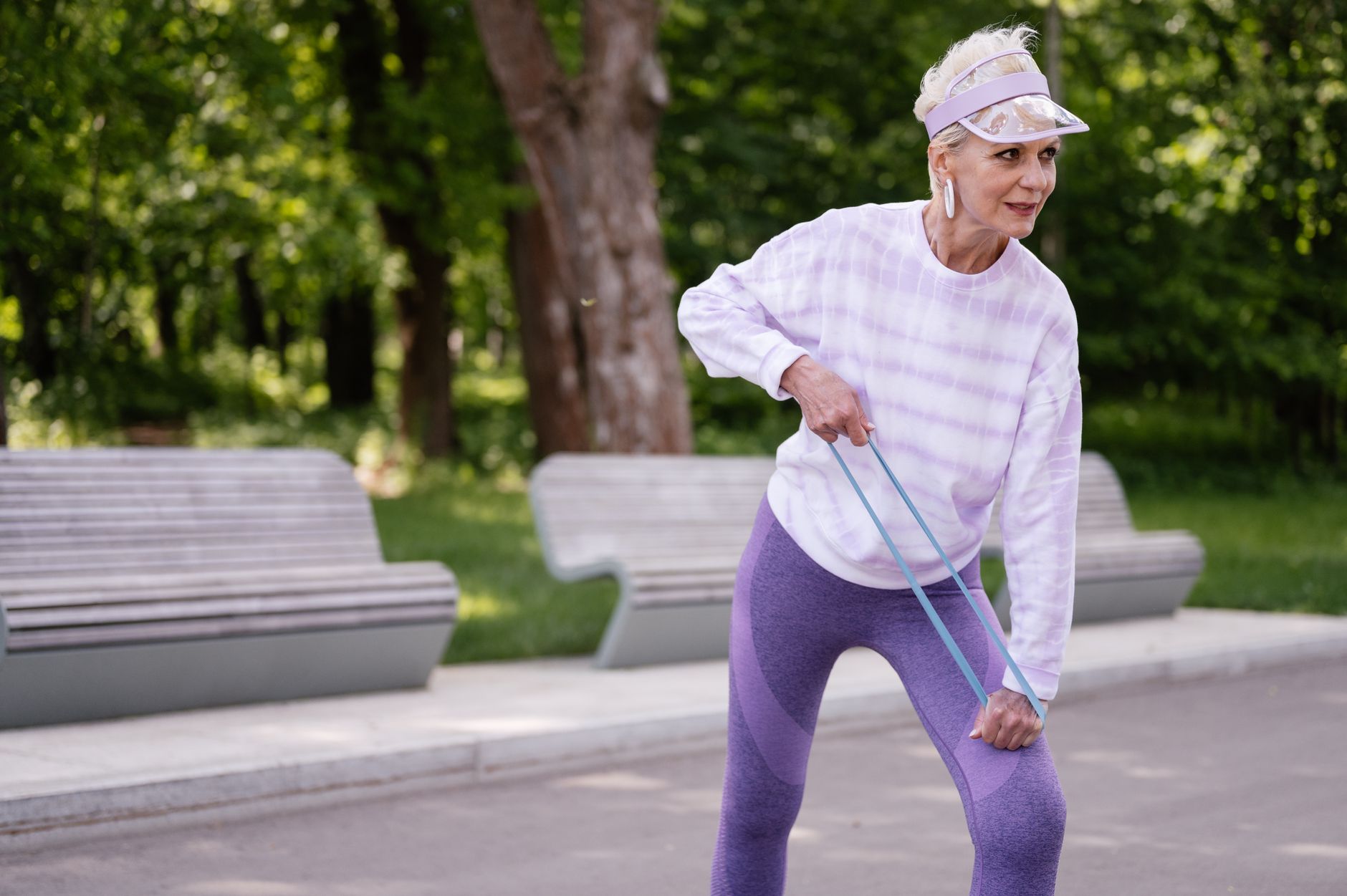
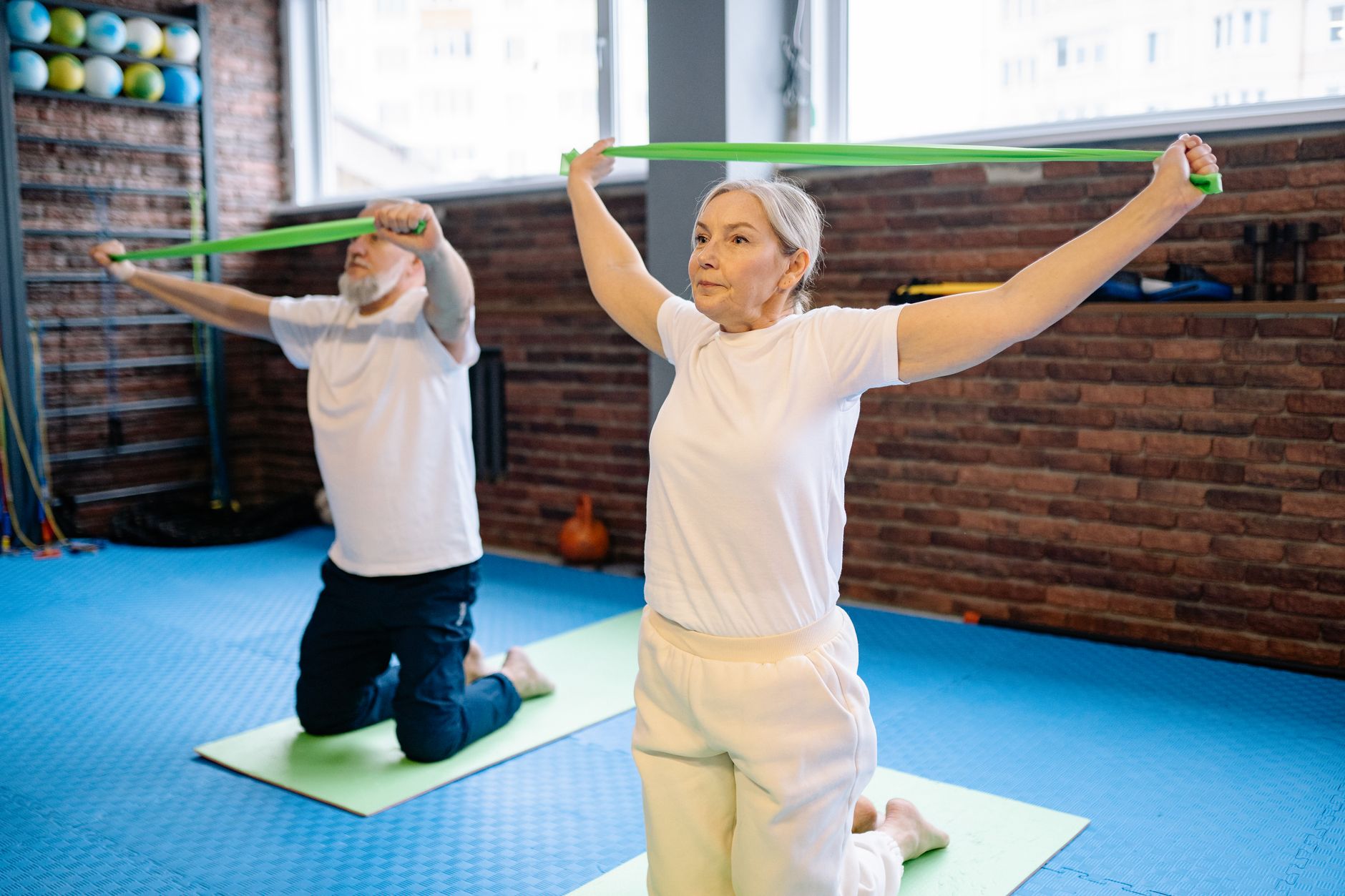
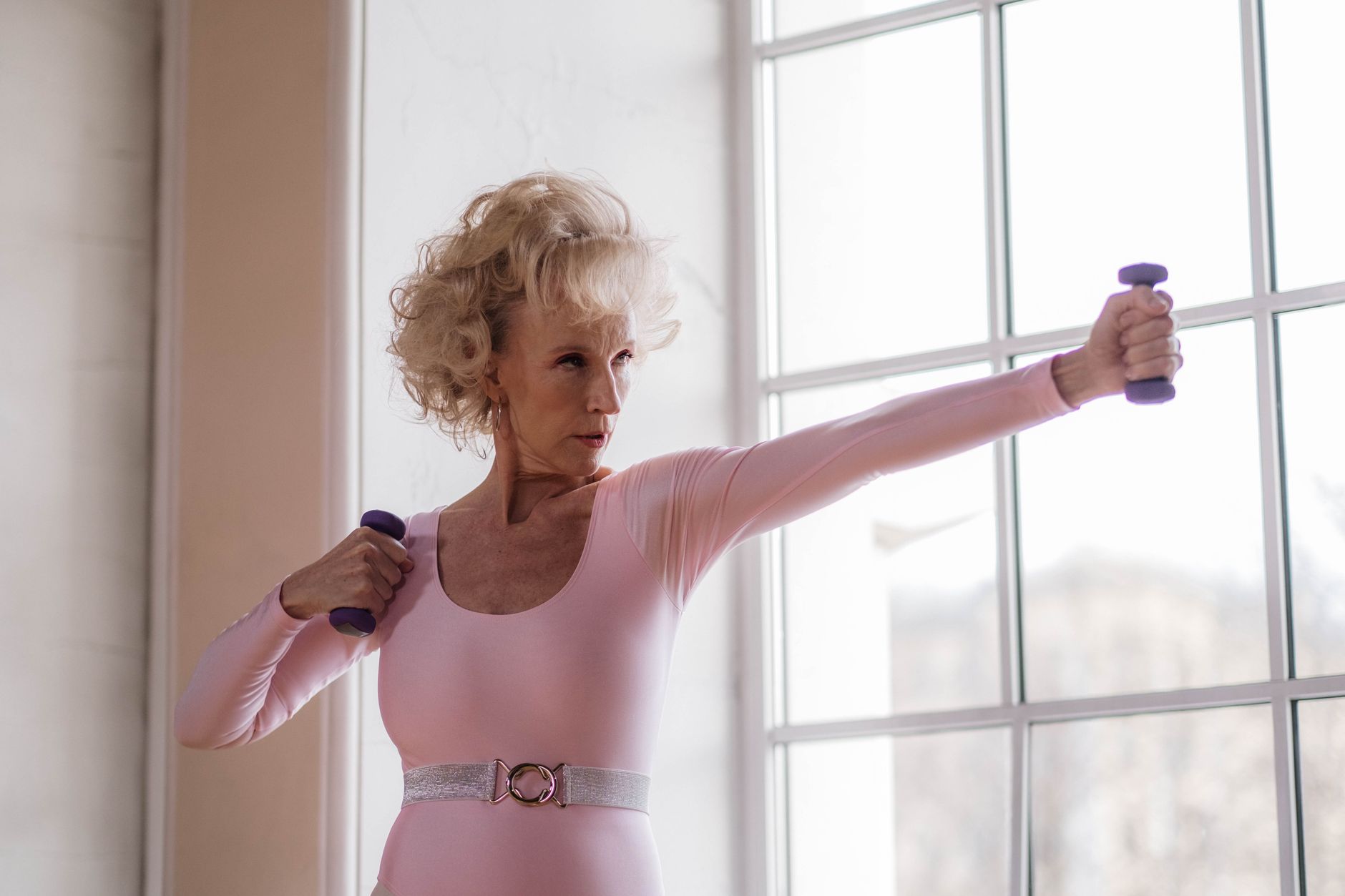
How often to lift, which muscles to work and how to build up from a chair and a wall to weights.
Which exercise is safe with osteoporosis or osteopenia after menopause: strength, weight-bearing and balance work, the moves to adapt, and when to see a physio first.
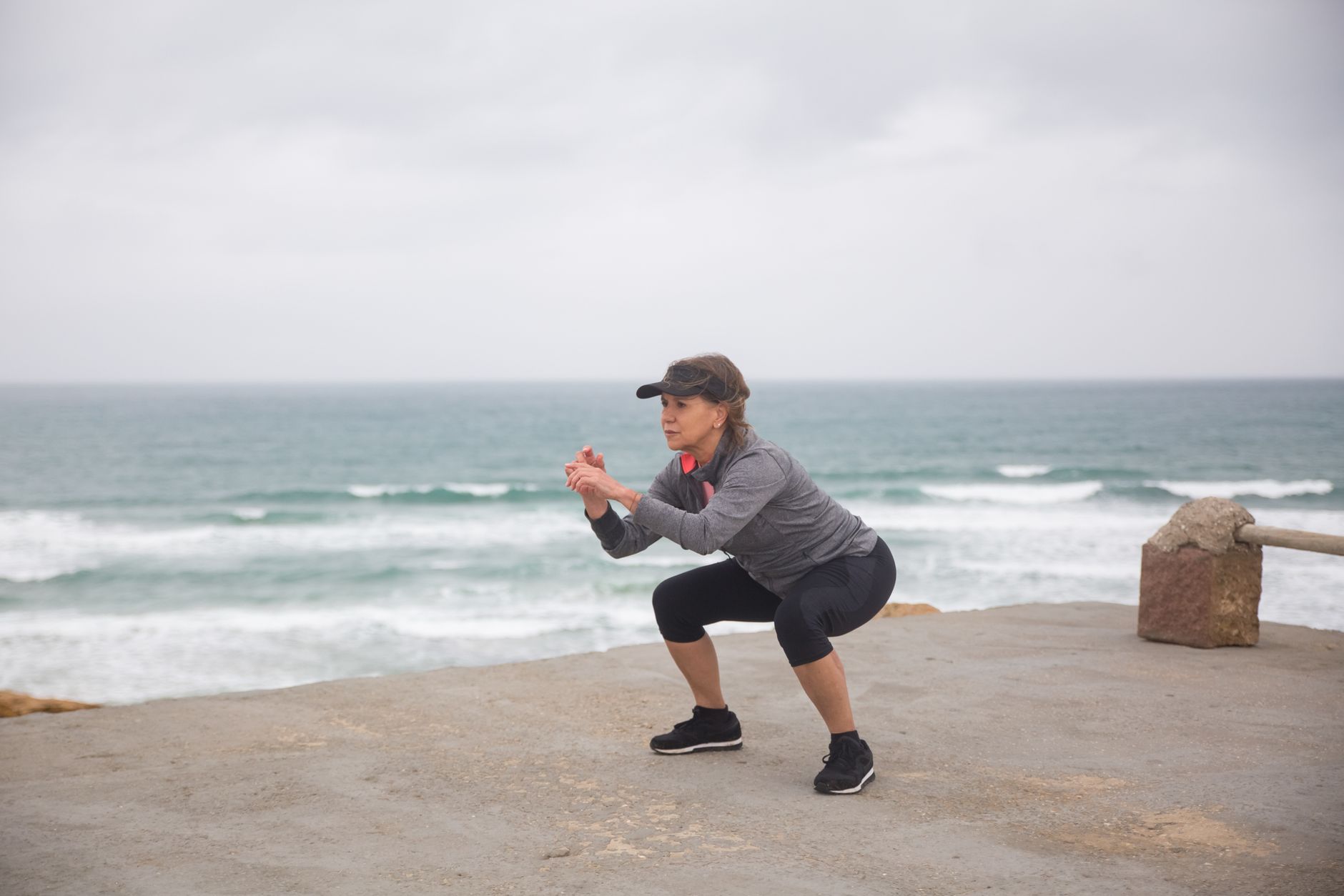
A full-body bodyweight session for women over 50, built from the NHS strength and balance routines, with how often to do it and how to make it harder without weights.
Lift on two or three days a week, walk for 150 minutes, and eat regular meals with protein. What the trials show about stopping menopause weight gain, and how to start.
Pick your starting level and how many days a week you can train, and get a week-by-week home plan built on the NHS strength routine, ready to print.
How often to lift, which muscles to work and a first-month plan you can follow at home, based on NHS and NIH guidance for women in perimenopause and menopause.
About this topic
Most guidance for women in their forties, fifties and sixties comes back to the same target: strengthening work for the legs, hips, back, abdomen, chest, shoulders and arms on at least two days a week, alongside regular walking or other aerobic activity.
The guides here turn that target into routines you can follow: first sessions at home, how to tell when a move is hard enough, when to add weight, and how to fit lifting around work, sleep and the days when symptoms are moderate or severe.
Sources for this page:
Each topic gathers the guides on one subject, with the sources they draw on.