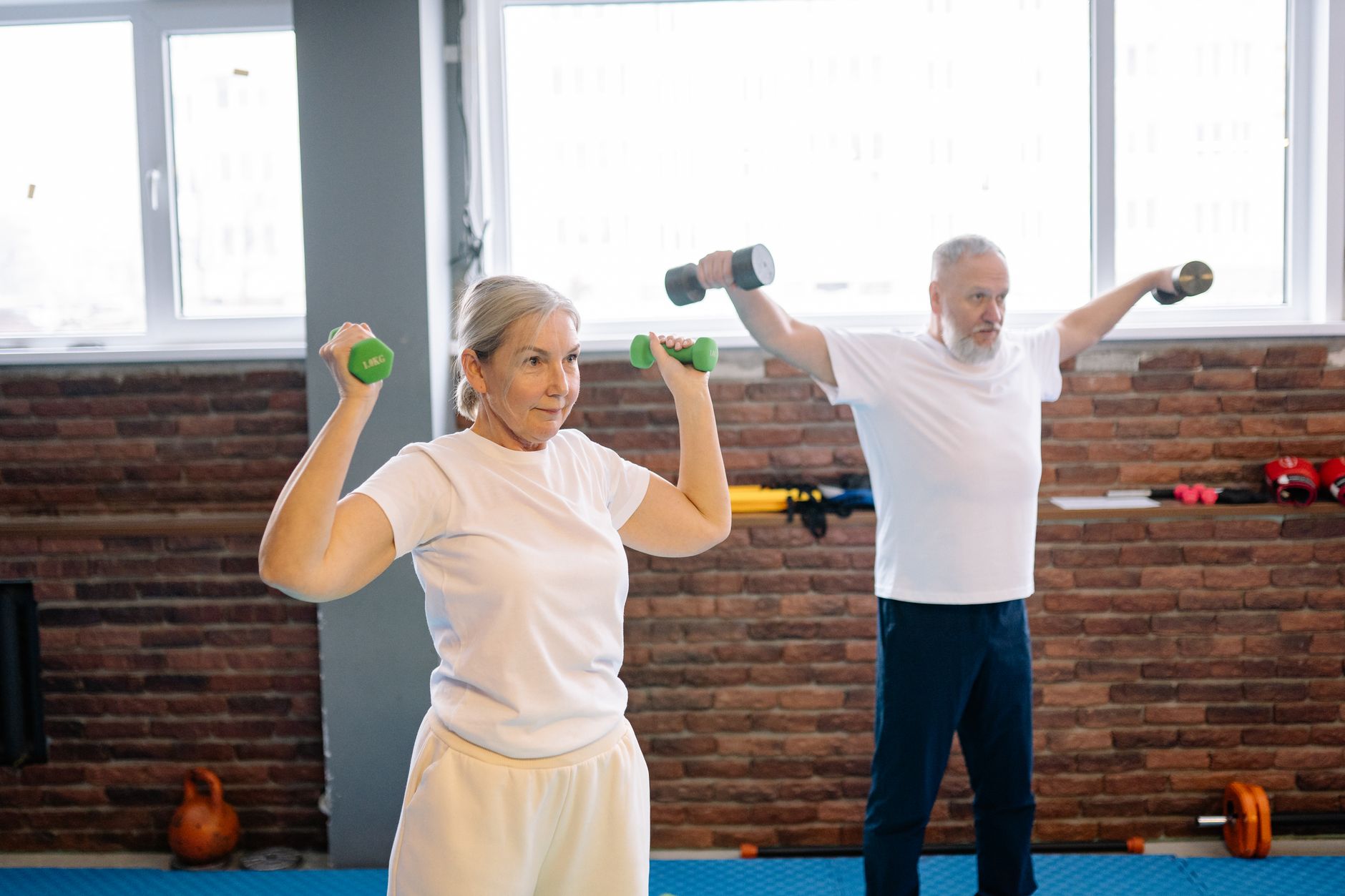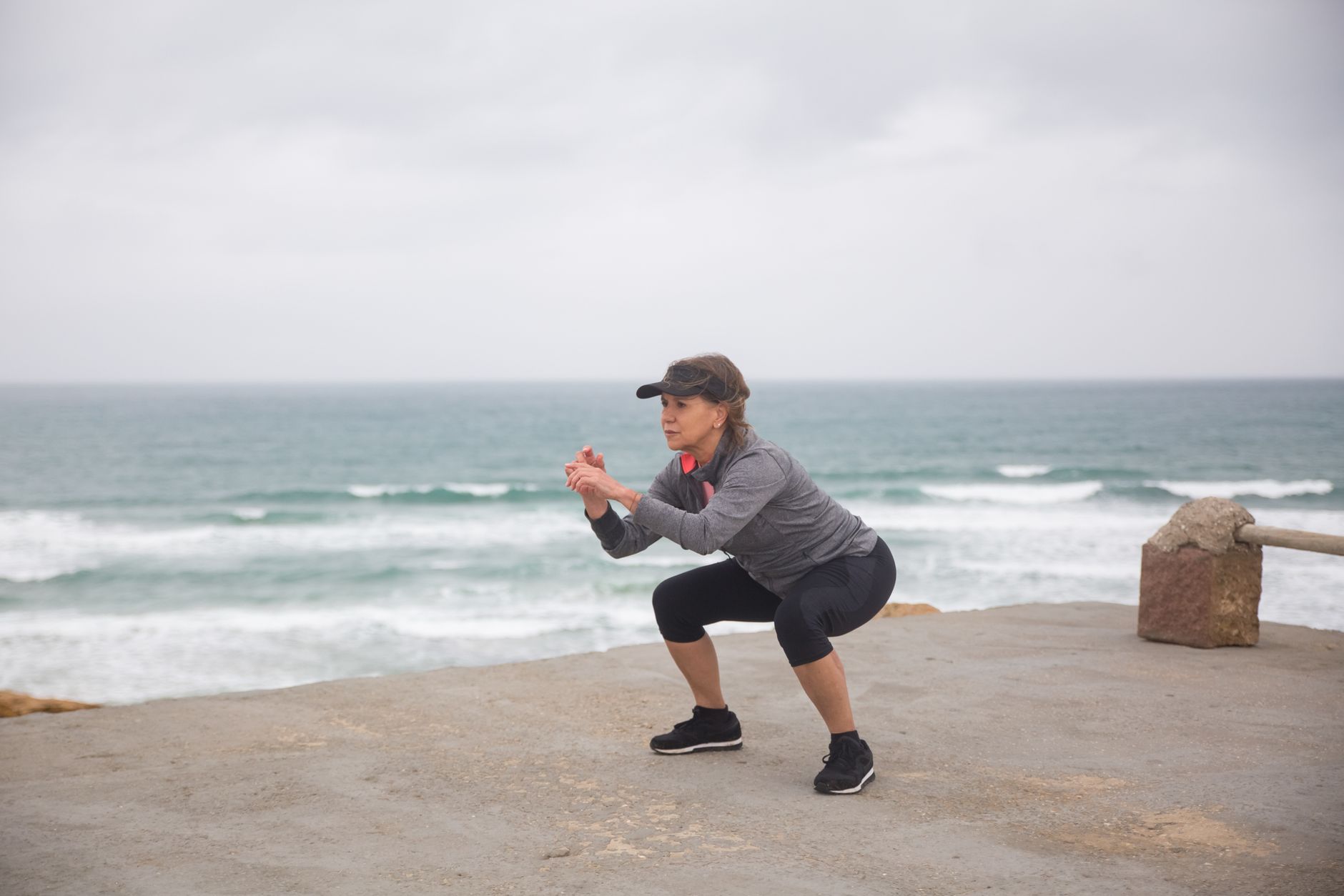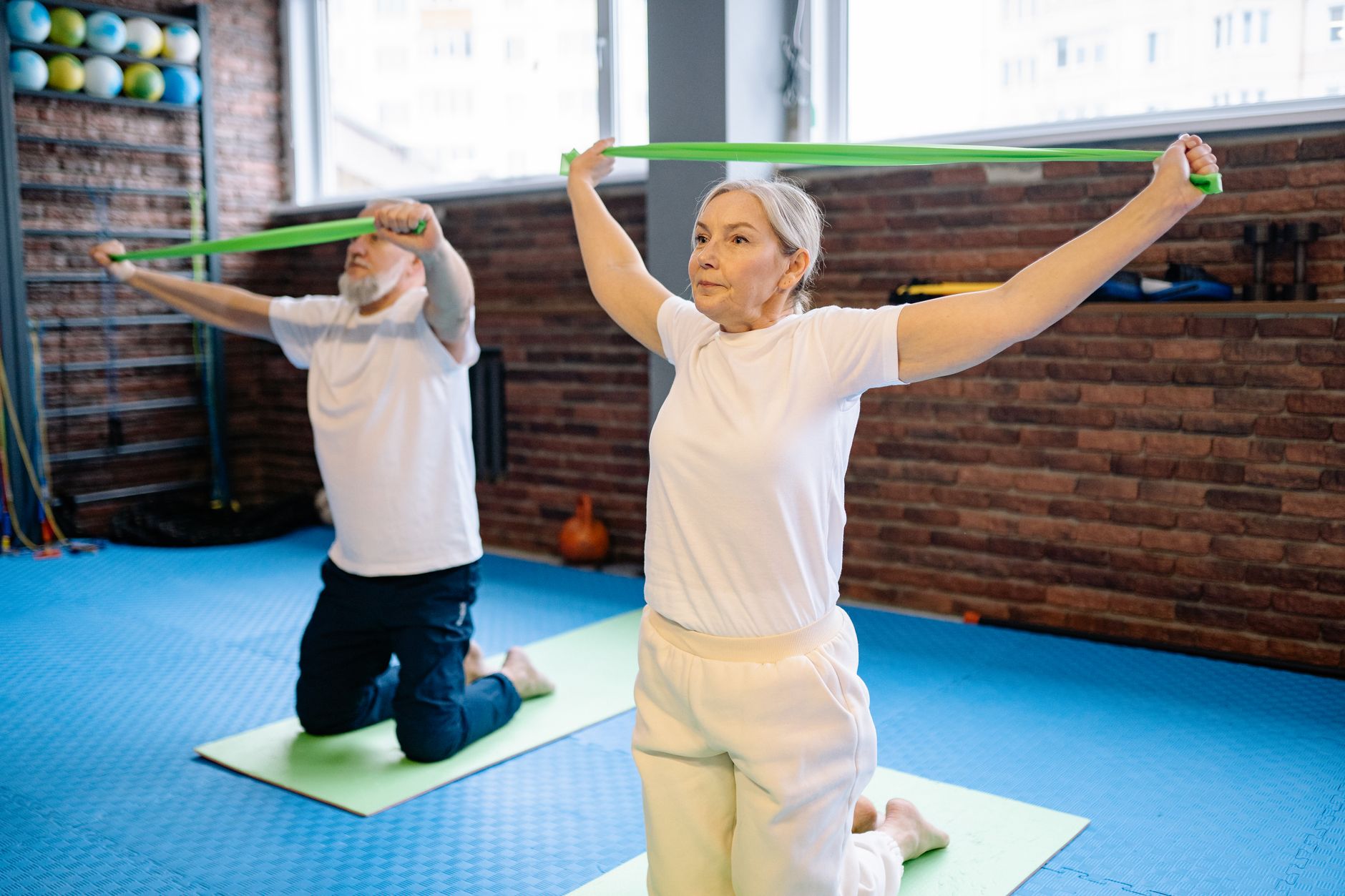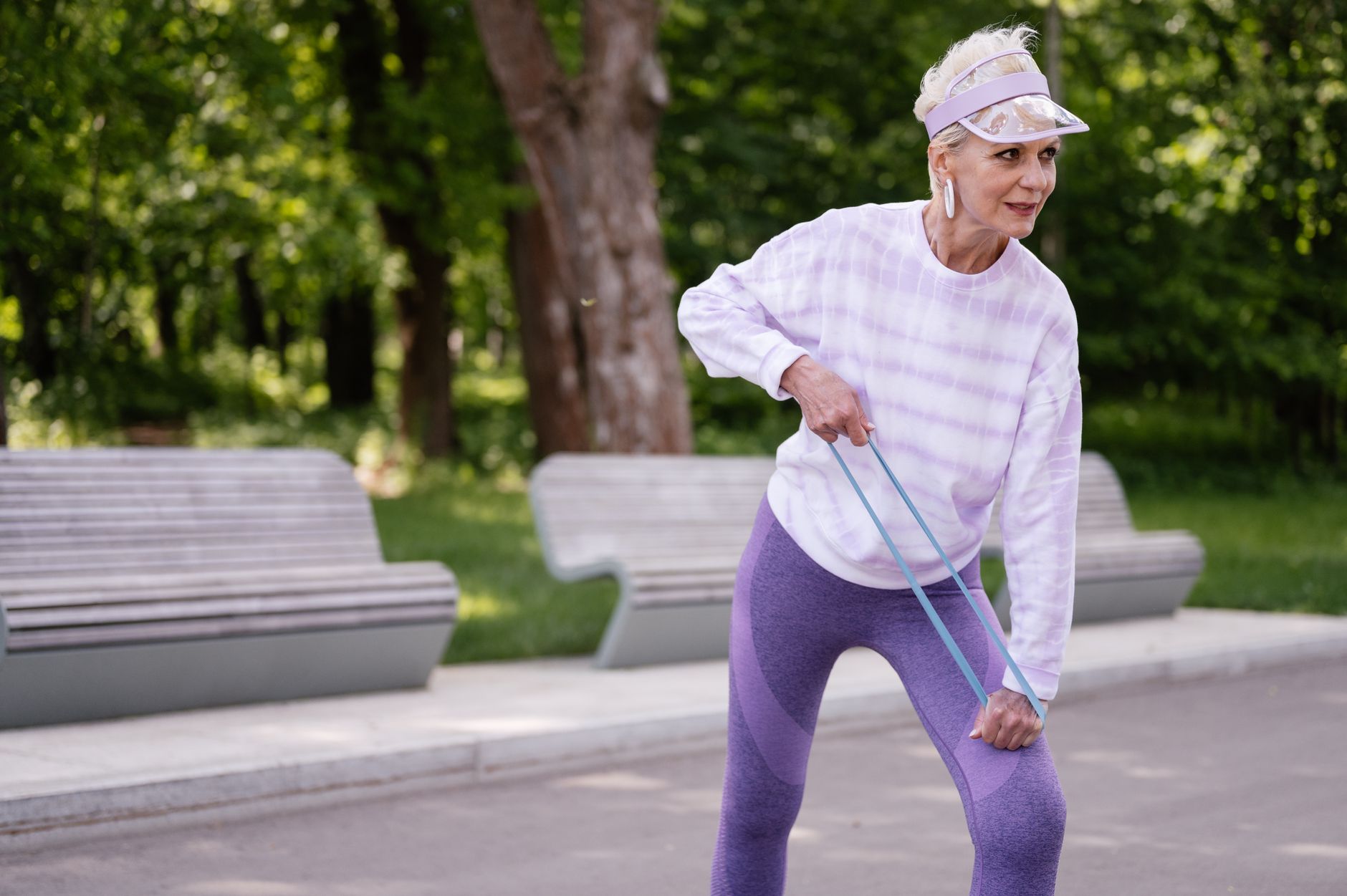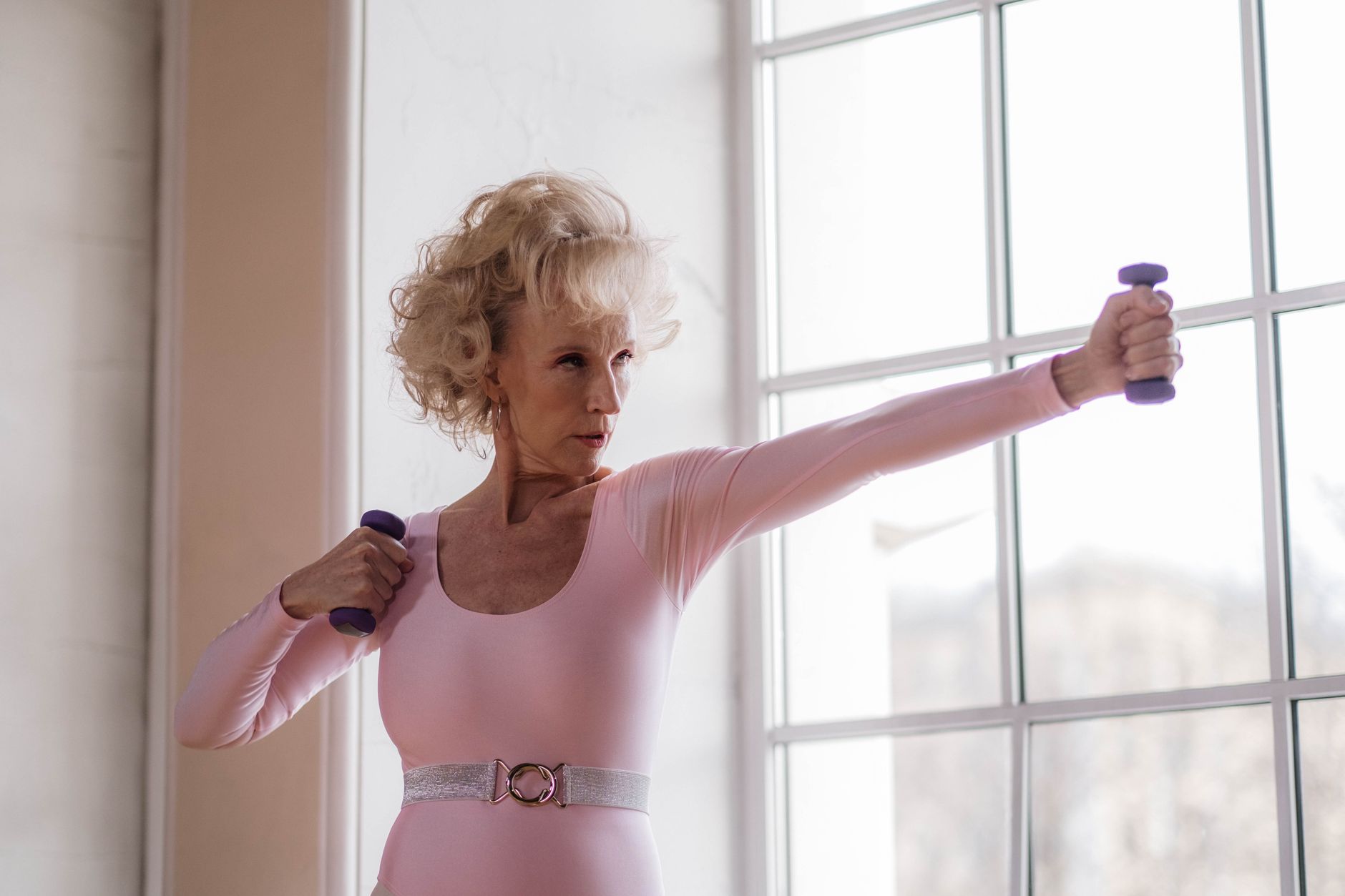
Exercise for women with osteoporosis: what is safe
Which exercise is safe with osteoporosis or osteopenia after menopause: strength, weight-bearing and balance work, the moves to adapt, and when to see a physio first.
Writer on training, muscle and weight
About the writer
Claire Hollis
Writer on training, muscle and weight
Claire Hollis writes Menopause Lift's guides to strength training, muscle, bone and weight in perimenopause and menopause. She works from NHS, NIH, CDC and Menopause Society guidance and from published studies, links every health fact to the page she read it on, and says plainly where the evidence is thin. She gives no treatment advice and is not a clinician.
claire.hollis@menopauselift.com
Last checked 2026-11-01
Covers
Which exercise is safe with osteoporosis or osteopenia after menopause: strength, weight-bearing and balance work, the moves to adapt, and when to see a physio first.
A full-body bodyweight session for women over 50, built from the NHS strength and balance routines, with how often to do it and how to make it harder without weights.
Menopause speeds up fat gain and muscle loss more than it raises the number on the scale. What a long-term NIH study found, how long it lasts, and why strength matters.
Lift on two or three days a week, walk for 150 minutes, and eat regular meals with protein. What the trials show about stopping menopause weight gain, and how to start.
How much protein women need after menopause to keep muscle, what the research behind 0.8 and 1.0 to 1.2 g per kg says, and how to spread it across meals and workouts.
How often to lift, which muscles to work and a first-month plan you can follow at home, based on NHS and NIH guidance for women in perimenopause and menopause.
Pick your starting level and how many days a week you can train, and get a week-by-week home plan built on the NHS strength routine, ready to print.